

Introduction
Over the past few years, more people have started exploring alternatives to traditional operating systems like Windows and macOS. One of the most popular and powerful alternatives is Linux. Known for its stability, security, and flexibility, Linux has become a favorite among developers, system administrators, and tech enthusiasts around the world.
If you're thinking about switching to Linux, you're not alone. Many users are moving to Linux because it offers better performance, improved privacy, and a completely free and open-source environment. Unlike other operating systems, Linux gives you full control over your system and allows you to customize nearly every aspect of your desktop experience.
The good news is that switching to Linux today is easier than ever. Modern Linux distributions are beginner-friendly, easy to install, and come with everything you need to start using your computer immediately. In this guide, we will explore why you should switch to Linux and look at some of the best Linux distributions for beginners to help you get started.
Why You Should Switch to Linux
Linux has grown rapidly over the past decade and is now used by millions of people worldwide. From developers and system administrators to everyday users, many people are choosing Linux because it offers better control, security, and performance compared to traditional operating systems.
Below are some of the biggest reasons why switching to Linux can be a great decision.
1. Free and Open Source
One of the biggest advantages of open-source software is that it is completely free to use and distribute. Linux is built around the open-source philosophy, which means anyone can view, modify, and improve the code.
Unlike proprietary operating systems that require expensive licenses, most Linux distributions can be downloaded and installed at no cost. This makes Linux a great option for students, developers, and anyone looking for a powerful operating system without paying for software licenses.
2. Better Security and Privacy
Security is another major reason why many users prefer Linux. The Linux operating system is designed with strong permission systems and security practices that make it much harder for malware and viruses to spread.
In addition, Linux respects user privacy more than many commercial operating systems. Most Linux distributions do not include built-in tracking or data collection, giving users greater control over their personal data.
3. Faster Performance
Linux is known for being lightweight and efficient. Many Linux distributions can run smoothly even on older hardware that struggles with modern operating systems. This makes Linux a great option if you want to revive an old laptop or improve system performance.
Because Linux uses fewer system resources, it often runs faster and more smoothly, especially when multitasking or running development tools.
4. Highly Customizable
Another reason many users love Linux is the level of customization it offers. Unlike other operating systems that limit how much you can change, Linux allows you to customize nearly every part of your desktop environment.
From choosing different desktop environments to modifying system behavior, Linux gives users the freedom to create a workflow that perfectly matches their needs.
5. Perfect for Developers and Power Users
Linux has long been the preferred platform for developers. Most programming tools, servers, and development frameworks are designed to work seamlessly on Linux systems.
If you're interested in programming, system administration, or learning more about how computers work, Linux provides a powerful and flexible environment that makes it easy to experiment and build new things.
Best Linux Distributions for Beginners 

One of the best things about Linux is the wide variety of distributions (often called distros) available. Each distribution is designed with different users in mind. Some focus on stability, others on customization, and some are specifically built for beginners.
If you are new to Linux, choosing the right distribution can make your transition much easier. Below are some of the best Linux distributions for beginners that are easy to install, simple to use, and widely supported by the community.
1. Ubuntu

Ubuntu is one of the most popular Linux distributions in the world and is often recommended for beginners. It offers a clean interface, strong community support, and regular updates.
Ubuntu comes with a user-friendly desktop environment and a large software repository, making it easy to install applications and tools. Because of its popularity, you will find countless tutorials, guides, and community forums that can help you solve almost any issue.
2. Linux Mint
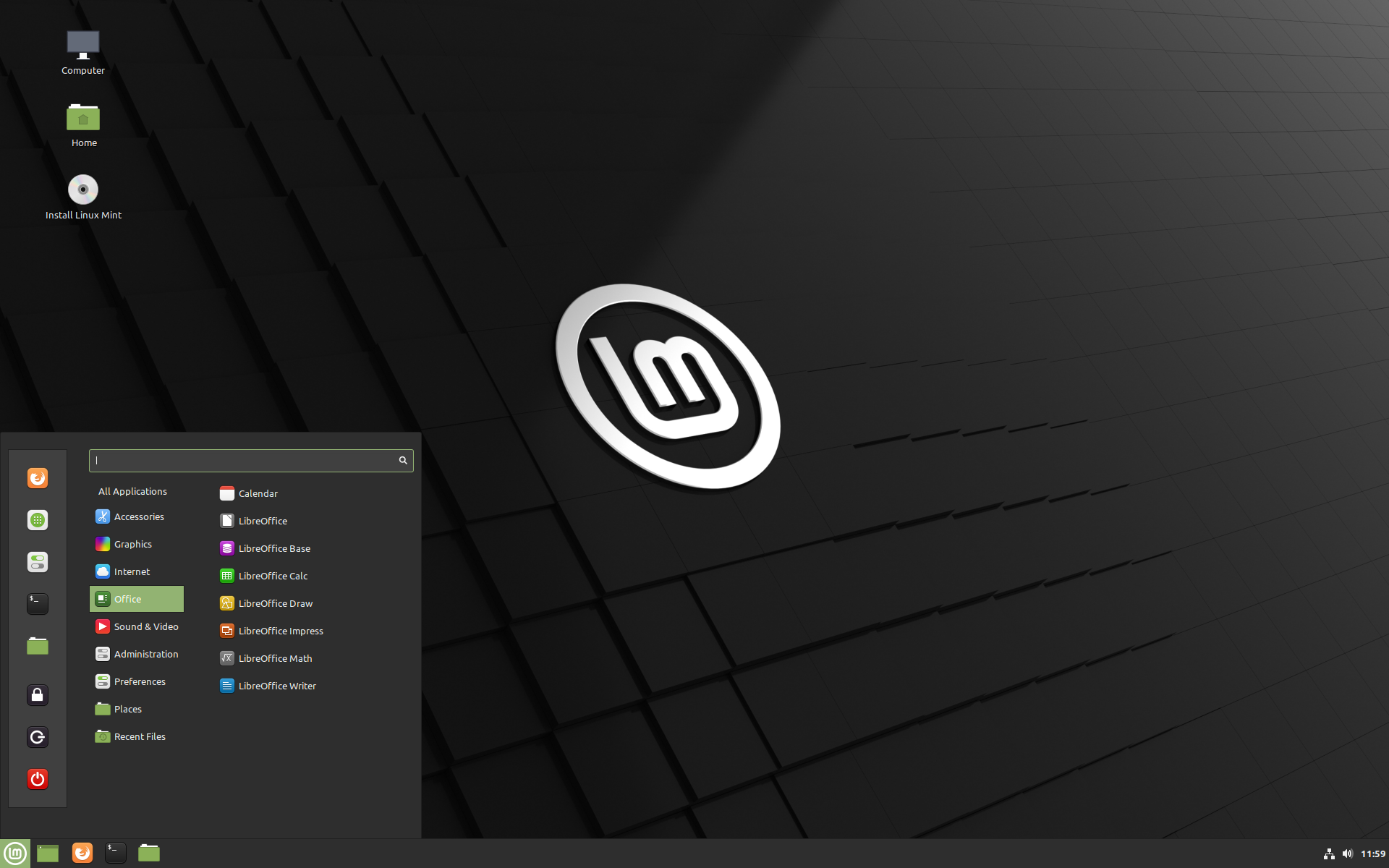
Linux Mint is another excellent choice for beginners, especially for users coming from Windows. Its interface feels familiar and intuitive, which makes the transition much easier.
Linux Mint focuses on simplicity, stability, and ease of use. It includes many useful tools out of the box and requires very little configuration after installation.
3. Fedora
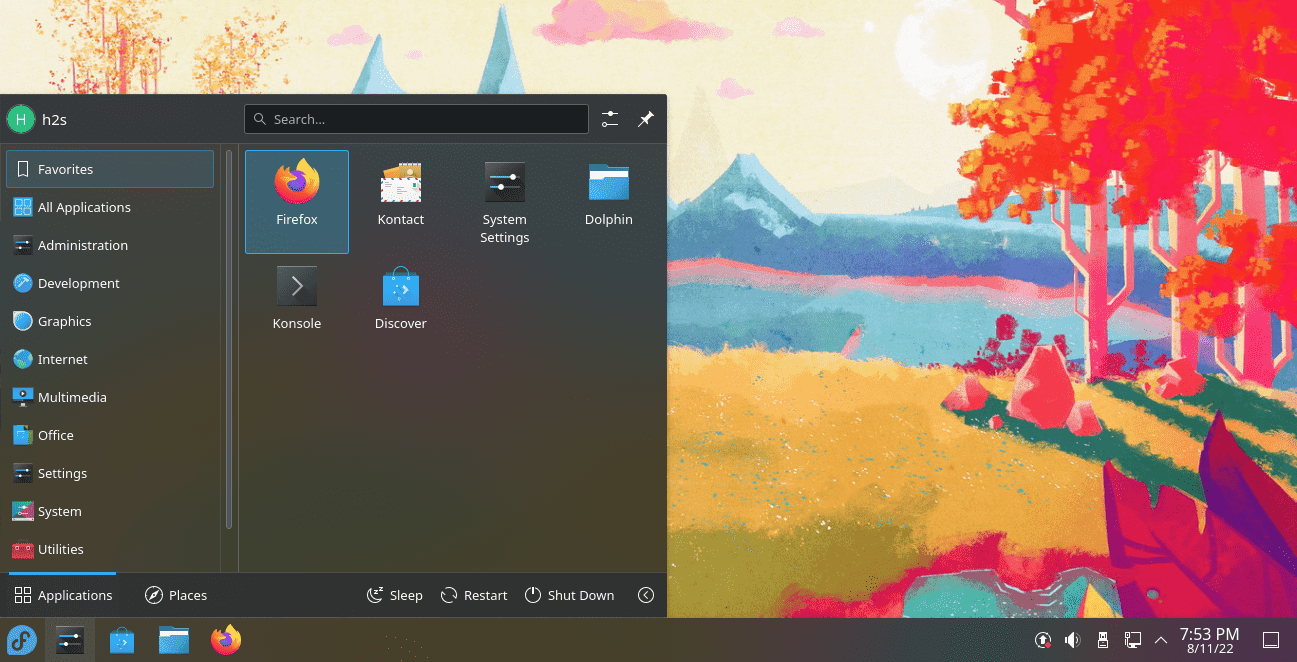
Fedora is a modern and powerful Linux distribution backed by a strong open-source community. It often includes the latest technologies and software updates.
Fedora is a great choice if you want a balance between stability and access to cutting-edge features. Many developers also prefer Fedora because of its excellent support for programming tools.
4. Pop!_OS

Pop!_OS is a Linux distribution developed by System76 and is designed to provide a smooth and powerful user experience.
It is especially popular among developers, engineers, and creative professionals. Pop!_OS includes features that improve productivity and works particularly well on modern hardware.
5. Zorin OS

Zorin OS is designed specifically for users switching from Windows or macOS. Its interface can even mimic the look and feel of other operating systems.
Because of its polished design and easy setup process, Zorin OS is one of the best Linux distributions for people who want a smooth and familiar experience when moving to Linux.
How to Get Started with Linux
Getting started with Linux is easier today than ever before. Modern Linux distributions are designed to be beginner-friendly and can be installed in just a few simple steps. Even if you have never used Linux before, you can quickly set up your system and start exploring the world of open-source software.
Below are some basic steps that will help you start your Linux journey.
1. Choose the Right Linux Distribution
The first step is selecting a Linux distribution that matches your needs. If you are a beginner, distributions like Ubuntu, Linux Mint, or Zorin OS are excellent choices because they are easy to use and well supported by the community.
2. Download the ISO File
Once you choose a distribution, visit its official website and download the ISO installation file. This file contains the full operating system that you will install on your computer.
3. Create a Bootable USB Drive
After downloading the ISO file, you will need to create a bootable USB drive. Tools like Rufus, Balena Etcher, or Ventoy allow you to easily write the Linux ISO file to a USB drive so you can install the operating system.
4. Boot Your Computer from the USB
Insert the bootable USB drive into your computer and restart the system. Enter the boot menu and select the USB drive. This will start the Linux installation environment.
5. Install Linux
Most Linux distributions provide a simple graphical installer that guides you through the installation process. You can choose to install Linux alongside your current operating system or replace it completely.
Within a few minutes, you will have a fully functional Linux system ready to use.
Common Myths About Linux
Despite its growing popularity, many people still hesitate to switch to Linux because of outdated misconceptions. Over the years, Linux has evolved significantly and has become much easier to use. Let's look at some common myths about Linux and the reality behind them.
1. Linux Is Only for Programmers
One of the most common myths is that Linux is only designed for programmers or advanced users. While Linux is indeed popular among developers, modern Linux distributions are designed to be beginner-friendly and easy to use.
Distributions like Ubuntu and Linux Mint provide graphical interfaces that feel familiar to users coming from Windows or macOS.
2. Linux Is Difficult to Install
Many people believe that installing Linux is complicated. In reality, most Linux distributions now offer simple graphical installers that guide users step-by-step through the process.
In many cases, installing Linux can be just as easy as installing any other operating system.
3. Linux Has No Software Support
Another myth is that Linux lacks software. In fact, Linux has thousands of applications available through package managers and software stores.
Popular applications such as Firefox, LibreOffice, GIMP, and many development tools run perfectly on Linux.
4. Linux Is Not Good for Gaming
Gaming on Linux has improved dramatically in recent years. Thanks to technologies like Proton and platforms such as Steam, thousands of games are now playable on Linux systems.
This means Linux users can enjoy many modern games without needing to rely on other operating systems.
Conclusion
Switching to Linux can be a great decision for anyone looking for a powerful, secure, and customizable operating system. With its open-source nature, strong community support, and wide range of distributions, Linux offers something for everyone.
Whether you are a beginner exploring open-source software, a developer looking for a flexible environment, or simply someone who wants more control over their system, Linux provides the tools and freedom to build the computing experience you want.
Thanks to beginner-friendly distributions like Ubuntu, Linux Mint, and Zorin OS, getting started with Linux has never been easier.
If you have been thinking about trying Linux, now is the perfect time to explore the world of open-source computing and discover what makes Linux such a powerful alternative.



No comments:
Post a Comment